
Partnership reform sounds simple. Three pilots showed why it isn’t.
For years, CGIAR has talked about strengthening country ownership and moving from ad hoc project delivery to genuine long-term partnerships. The principle is widely accepted: national agricultural research systems (NARS) should define priorities and lead implementation, while CGIAR contributes technical expertise and global knowledge.
But what does that actually look like in practice?
Over the past three years, we tested this question through three Capacity Sharing (CapSha) pilots in Ethiopia, Rwanda, and Senegal. The objective was not simply to deliver research outputs. It was to understand what happens when national institutions genuinely lead and CGIAR plays a supporting role.
The pilots revealed that country-led partnerships are possible. They also showed that making them work depends far less on science than many of us assume.
Three pilots
Each pilot started from a nationally defined priority.
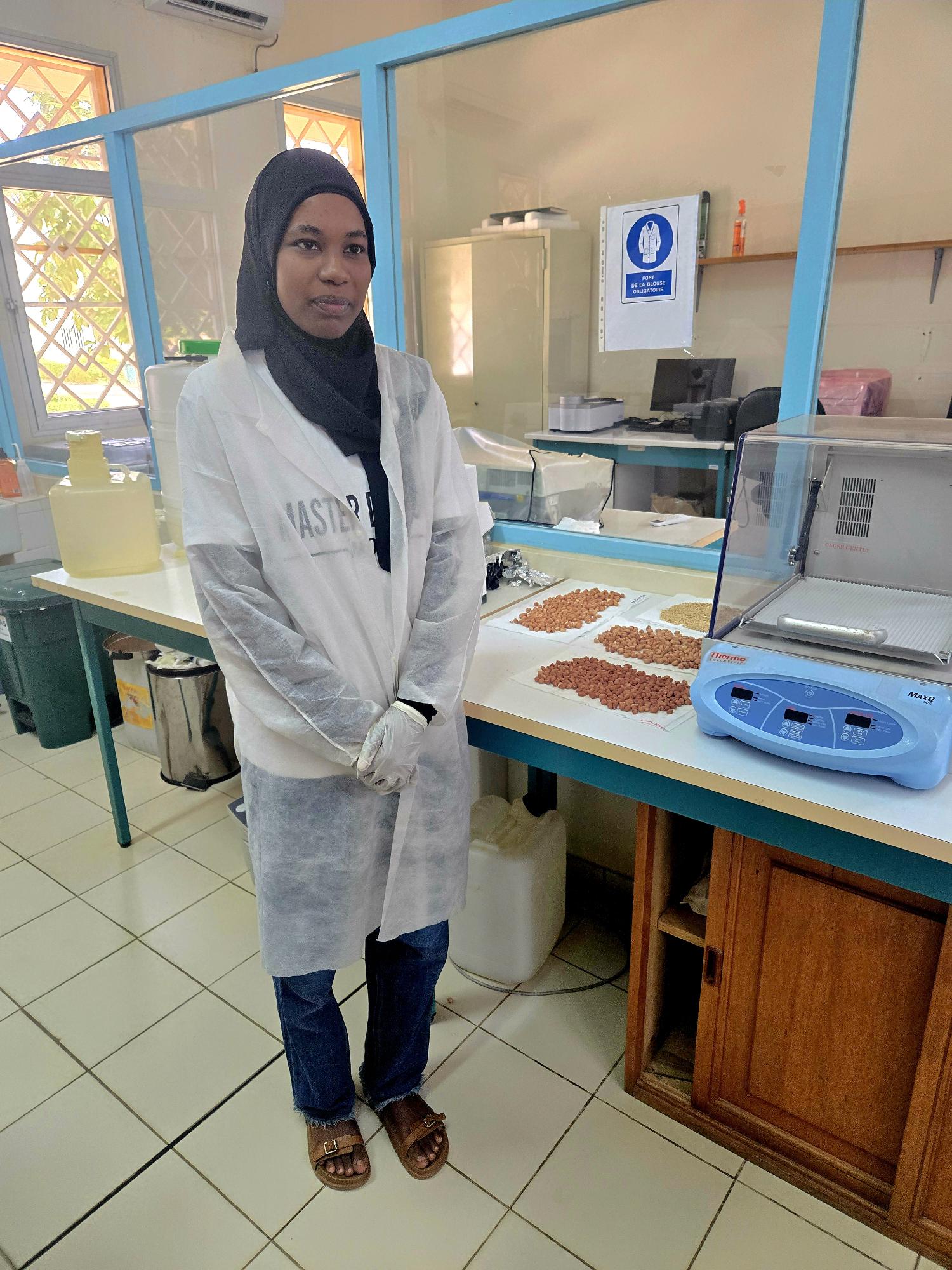
In Senegal, the focus was on strengthening dryland cereal breeding through collaboration between the Institut Sénégalais de Recherches Agricoles (ISRA) and CGIAR partners led by CIMMYT.
In Ethiopia, the Ethiopian Institute of Agricultural Research (EIAR) proposed the development of a nationally integrated digital decision-support system for site-specific fertilizer recommendations. The initiative brought together soil data, modelling tools, and advisory approaches that had previously been scattered across institutions and CGIAR centers working largely in parallel.
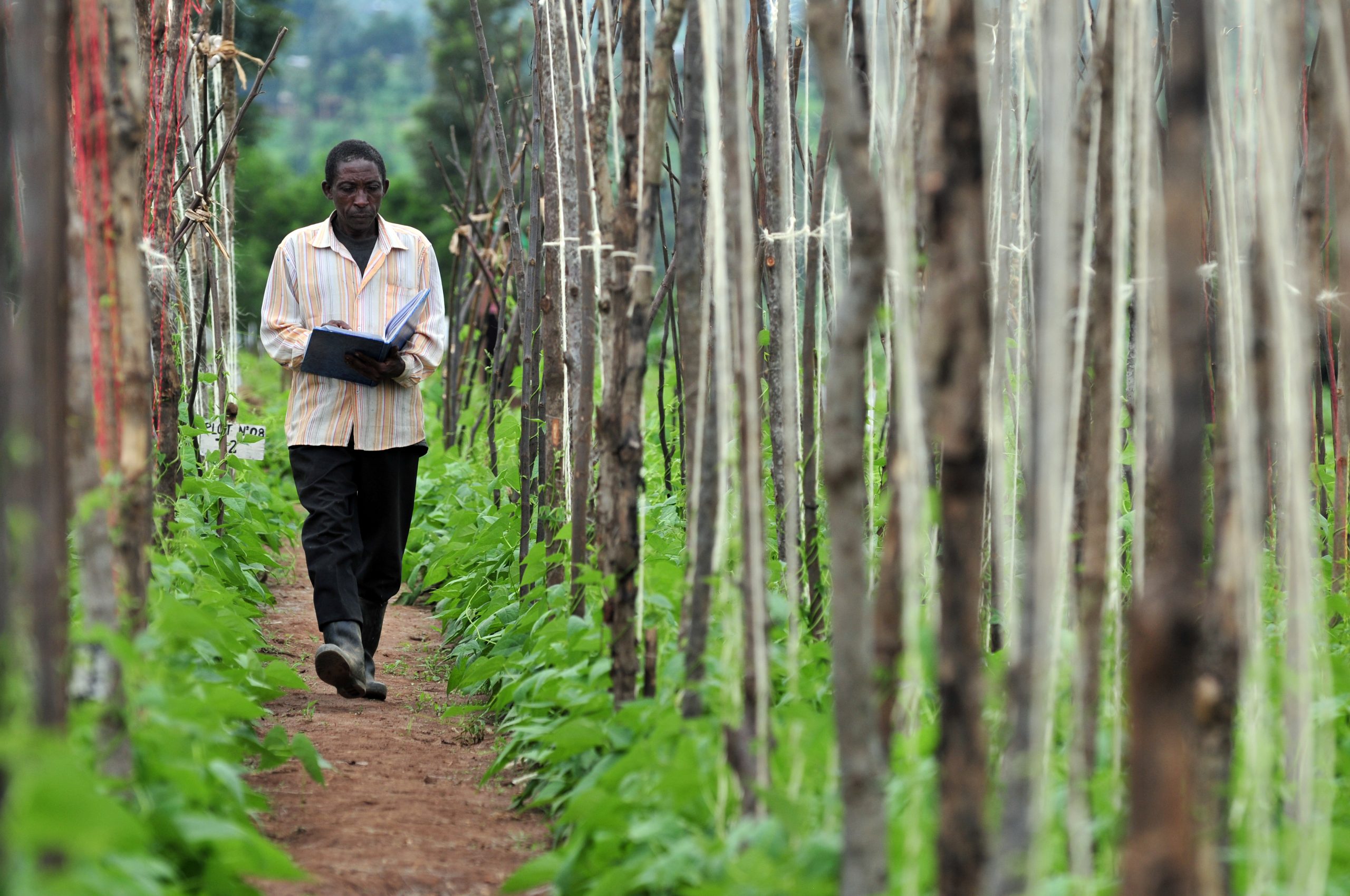
In Rwanda, the Rwanda Agriculture and Animal Resources Development Board (RAB) sought to improve soil fertility and climate-smart agriculture recommendations through multi-location field trials and associated data systems, supported by CGIAR partners contributing expertise in experimental design, analysis, and interpretation.
The three pilots differed technically, but they were all testing the same question: Can national institutions genuinely lead while CGIAR plays a supporting role?
Giving institutions ownership is not the same as enabling them to exercise it.
 One of the clearest lessons was that ownership cannot simply be designed into a project.
Partnership discussions often assume that transferring leadership responsibilities automatically creates ownership. In practice, ownership emerges from a combination of institutional capacity, leadership continuity, administrative systems, and long-standing relationships between partners.
Where these foundations were strong, the model worked remarkably well.
In Ethiopia, EIAR drove implementation from the outset, coordinated national actors, and anchored the work within broader Ministry of Agriculture priorities. This helped transform what could have remained a technical pilot into a nationally owned platform with a pathway toward integration into extension services.
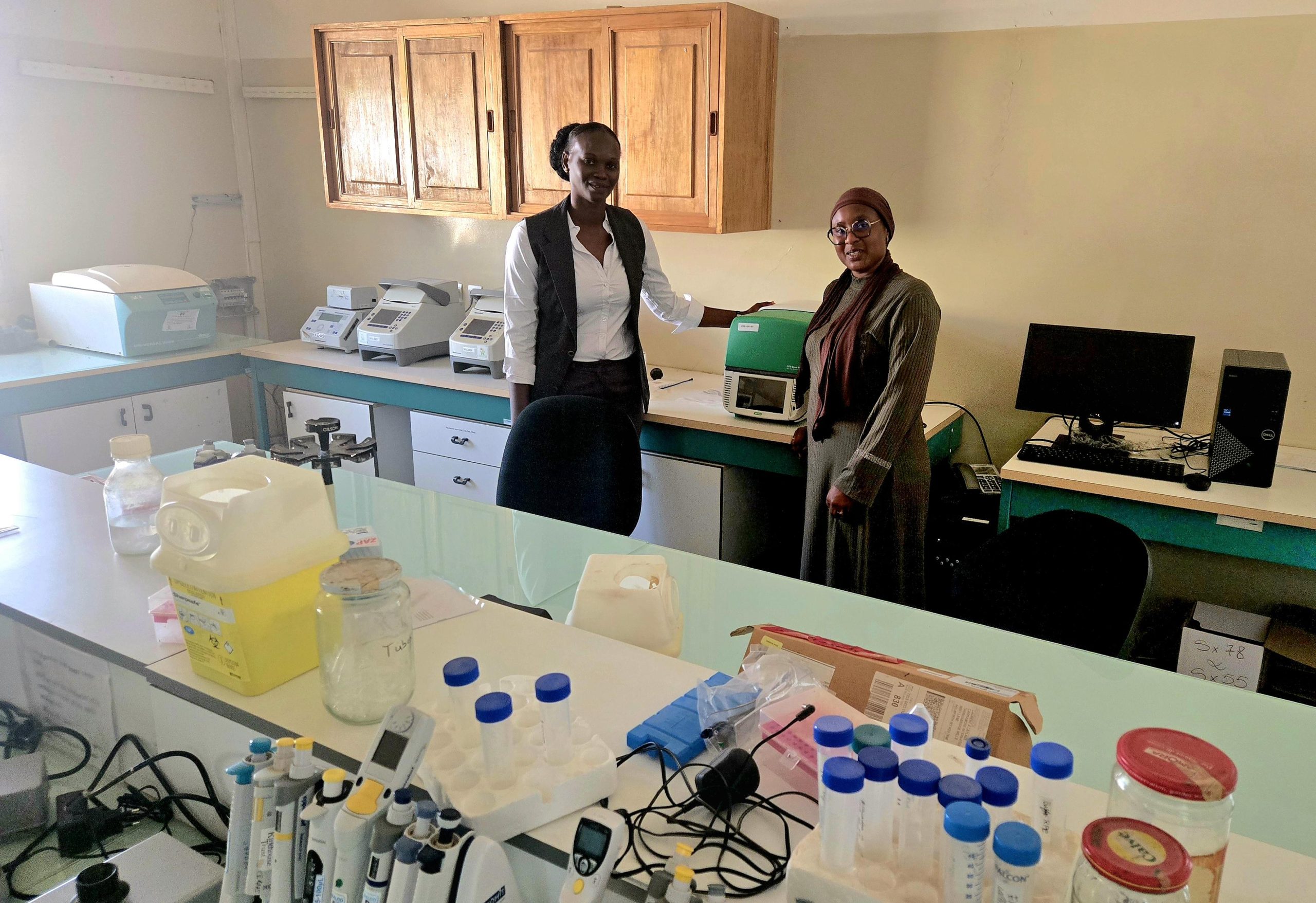
In Senegal, the pilot benefited from a long-standing relationship between ISRA and CIMMYT. Rather than building trust from scratch, the project was able to deepen an existing partnership and focus on delivery.
Rwanda highlighted a different reality. National leadership structures were in place and partner commitment remained strong, but coordination capacity proved more fragile over time. Maintaining coherence across multiple activities became increasingly challenging, even while individual components continued to progress.
The lesson is not that some countries are suited to country-led models and others are not. Rather, effective ownership depends on the strength of the institutions expected to exercise it.
Declaring ownership is easy. Building the systems that sustain it is considerably harder.
The science was rarely the hardest part
 Perhaps the most surprising lesson was how often implementation was shaped by factors that had little to do with science.
Procurement procedures, financial management systems, contracting arrangements, reporting requirements, and data governance frameworks repeatedly determined what could and could not be achieved.
In Senegal, the recruitment of a dedicated procurement specialist midway through implementation had a greater impact on delivery than many of the technical interventions introduced during the same period.
That may sound like a minor operational detail. It is not.
Too often, capacity strengthening efforts focus primarily on scientific skills while treating administrative systems as secondary concerns. The pilots suggested the opposite. Weak administrative systems can become binding constraints even when scientific expertise is abundant.
This has important implications for how capacity sharing is understood.
If researchers have the skills to generate evidence but the surrounding systems cannot recruit staff, process contracts, manage budgets, or move resources efficiently, then scientific capacity alone will not translate into impact.
In that sense, the pilots were as much institutional stress tests as they were research projects.
When countries learn from countries
One of the most valuable outcomes was not part of the original design.
As Ethiopia’s soil fertility management decision-support system evolved, it became clear that Rwanda was confronting many of the same challenges: fragmented datasets, competing methodologies, and the difficulty of building coherent national systems from components that had never been designed to work together.
A direct exchange between the two countries emerged, with CGIAR increasingly acting as a facilitator.
What made the exchange effective was not simply the technical content. It was the credibility of peers facing similar institutional realities.
Discussions about data harmonization, stakeholder management, or integrating competing approaches carried a different weight when they came from researchers who had navigated the same constraints themselves.
South-South cooperation is not new to CGIAR. What the pilots demonstrated is the value of investing in it deliberately rather than treating it as a secondary activity.
In some contexts, peer learning may be more powerful than conventional models of capacity development built around external expertise.
The pilots also held up a mirror to CGIAR
The pilots revealed challenges within CGIAR itself.
CGIAR-imposed administrative and contracting bottlenecks delayed implementation across countries. More fundamentally, the pilots highlighted a familiar but often underappreciated reality: CGIAR does not operate as a single institution.
Different centers brought different priorities, timelines, methodologies, and ways of working. While this diversity can be a strength, it also creates coordination burdens for national partners.
In some cases, national institutions found themselves navigating multiple CGIAR approaches simultaneously and acting as the coordinators of CGIAR’s internal complexity.
That is not how partnership should work.
The pilots suggest that stronger internal alignment within CGIAR is not simply an efficiency issue. It is a prerequisite for becoming a reliable partner in country-led processes.
The pilots exposed a growing mismatch between what CGIAR often rewards and what effective partnerships require. Performance assessments continue to focus primarily on scientific outputs, methodological innovation, and fundraising, while many of the activities that make country-led partnerships successful—relationship building, facilitation, mentoring, and institutional strengthening—receive far less recognition.
Yet the pilots repeatedly showed that partnership quality often determines whether scientific excellence translates into real-world outcomes.
What comes next?
The CGIAR Capacity Sharing Accelerator was created to help ensure that these lessons do not remain isolated country experiences.
The pilots demonstrated that country-led partnerships can work. They also showed that ownership is not achieved by changing governance structures alone. It depends on institutions, incentives, administrative systems, and relationships that are capable of carrying the weight of leadership.
For CGIAR, this means that partnership reform is not only about changing how we work with others. It also requires changing how we work ourselves.
That may be the most important lesson of all.